ServicesIrrigation
Irrigation Repair and Installation in Maitland
We fix and install sprinkler systems so every zone puts down the right amount of water, nothing floods your foundation and no head sticks up to trip someone. We mark buried lines before any shovel goes in and explain each repair before we make it.
Water where the roots are, and nowhere else
A sprinkler system is a set of parts that wear on their own schedules. Rotor gears strip, spray nozzles clog with sand, solenoids fail, and lateral lines crack where a root or a mower wheel pressed on them. One bad part throws off a whole zone: one corner of the lawn browns while another stays soggy and grows fungus.
We trace the problem to its cause rather than just turning up run times. That usually means running each zone, checking pressure, digging up the failed component and replacing it with a matched part, so the zone puts out an even amount of water again.
Safety guides how we work. Before we trench or move a valve box we have utilities marked, and we confirm your backflow preventer is doing its job so lawn water cannot siphon back into the drinking water inside your home. We also keep the controller wiring dry and sealed.
What our irrigation work covers
- Zone-by-zone diagnosis
- We run every zone manually and watch the heads. We note low pressure, misting, geysers and heads that never pop up, then show you what we found before quoting a repair.
- Head, nozzle and riser replacement
- Broken rotors and sprays get replaced with heads that match the zone's flow rate. Mixing rotors and sprays on one valve is a common cause of dry spots, because they put down water at very different rates.
- Valve and solenoid repair
- A zone that will not shut off, or will not start, often comes down to a torn diaphragm or a dead solenoid. We repair or replace it and leave the valve box clean and level with the grade.
- Line breaks and leaks
- We find the break, cut out the damaged PVC or poly pipe and splice in new fittings. Then we backfill and pack the soil so the trench does not settle into a trip hazard.
- Controller and rain sensor setup
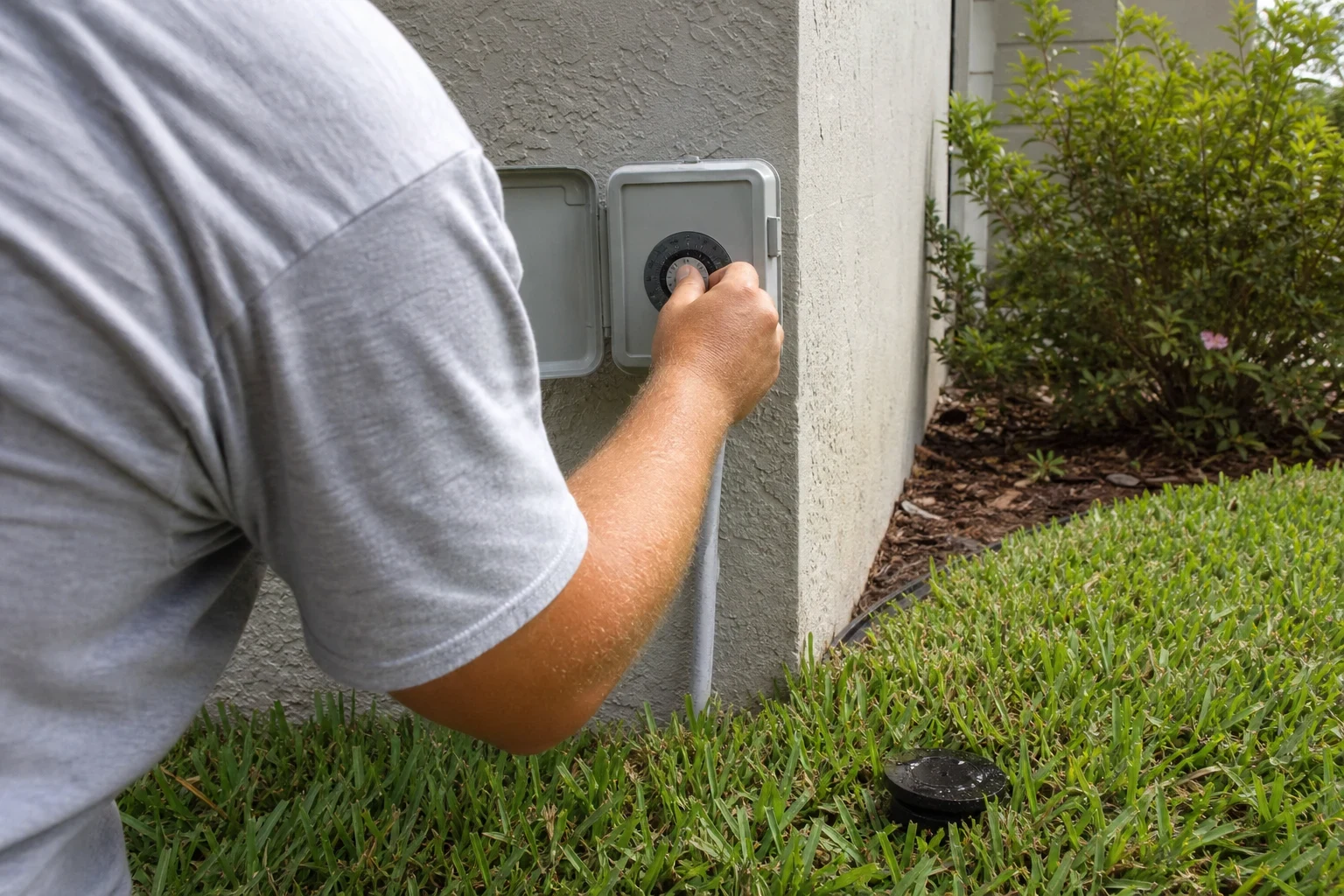
- We program run times by zone and plant type. We also check that the rain sensor actually shuts the system off, which Florida law requires on automatic systems.
- New zones and full installs
- For new beds, fresh sod or a yard with no system, we lay out zones by sun exposure and plant needs. Trenches go in only after utilities are located.
Signs your sprinkler system needs attention
Brown patches in a watered lawn
If one area dries out while the system runs on schedule, the cause is usually a clogged nozzle, a tilted head or a coverage gap. More minutes will not fix it.
Puddles or soft ground
Standing water near a head or along a line points to a leak or a stuck valve. Water that collects against the foundation or a walkway can undermine pavers and soften the soil beneath them.
Spraying the house or driveway
Heads aimed at siding, windows or the street waste water and stain surfaces. Overspray on a driveway also leaves slick spots where someone can slip.
A spike in the water bill
An unexplained jump often means an underground break or a valve weeping between cycles. We can find it without tearing up the whole yard.
Heads that stay up or sit too high
A head that will not retract is a trip hazard and a target for the mower. Heads should sit flush with the soil once the zone shuts off.
What affects the cost of irrigation work
Most repairs are priced by the parts and labor it takes to fix what we find, while a new system depends on the size and layout of the yard. We walk you through every line on the estimate before any work starts. If a full install or rebuild is the right answer, you can pay for it over time: our financing goes as high as $100,000, with terms anywhere from 2 to 12 years and no penalty if you pay it off early.
Number of zones
Each zone needs its own valve, wiring and heads. A larger yard with mixed sun and shade needs more zones to water evenly.
Type of heads and parts
Rotors, sprays and drip lines for beds differ in price and in how long they last. We match the part to the plants it waters.
Digging conditions
Sandy soil trenches easily. Roots, existing pavers or a driveway crossing take more time and care to work around.
Condition of the existing system
Brittle old pipe or an outdated controller can make a full zone rebuild more sensible than repeated patches. We will tell you plainly which makes sense.
How an irrigation visit runs
- 1
Walkthrough and estimate
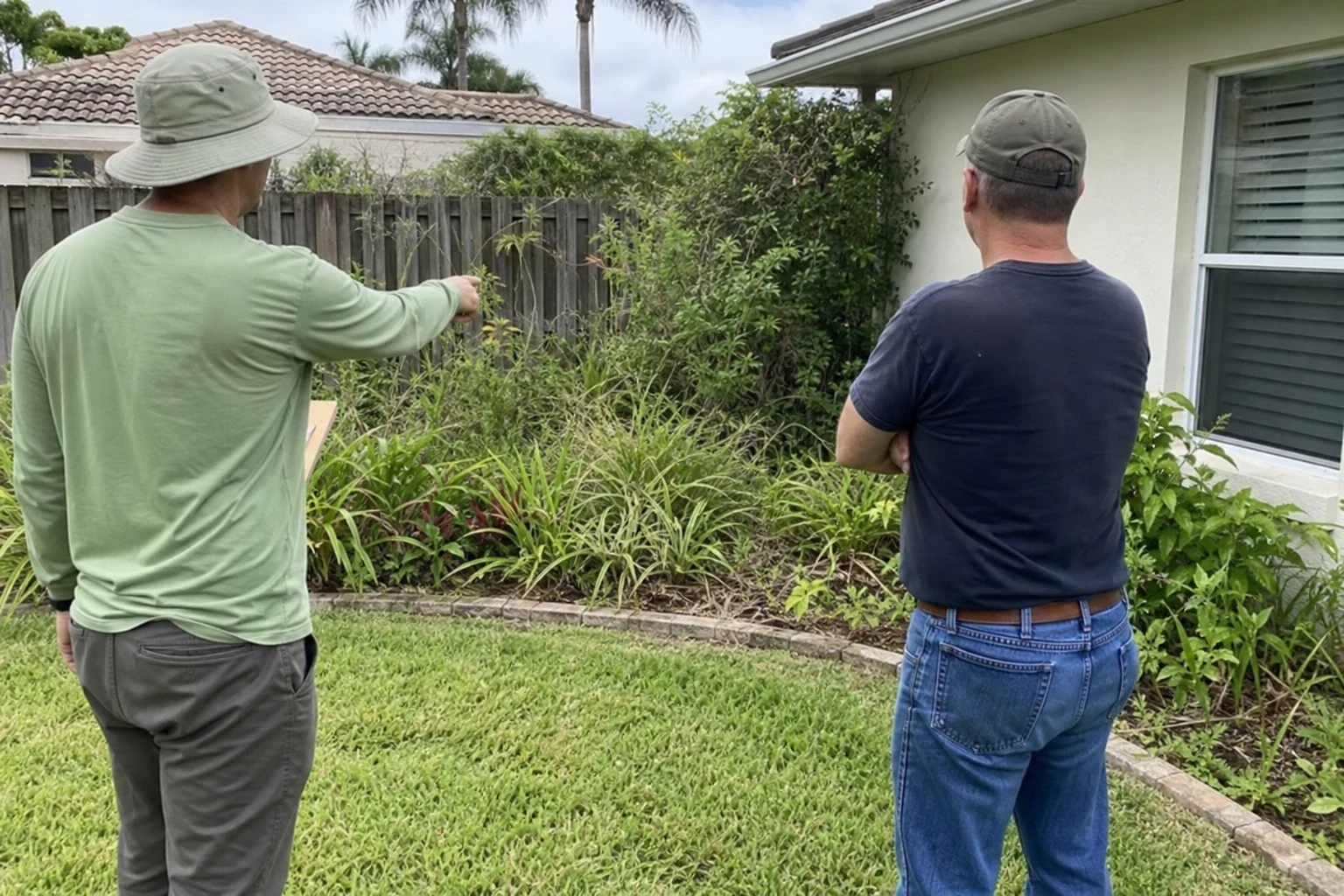
We come out, run each zone with you and look at the controller, valves and backflow device. You get a free written estimate that lists each part and repair.
- 2
Locate before we dig
For anything beyond swapping a head, we request utility locates and wait for the marks. That protects your gas, electric and communication lines, and the crew working on them.
- 3
Repair or install
We shut off water at the system, make the repairs, flush the lines to clear sand and debris, and then fit nozzles. Children and pets should stay clear of open trenches; we mark them off until they are backfilled.
- 4
Test and program
We run every zone again, adjust spray arcs away from hardscape and the house, and set the controller to your watering days. Before we leave, we show you how to run a zone manually and how to shut the system off.
Irrigation questions we hear often
How often should my sprinklers run?
Follow the watering days set by the water management district for your address, which change between daylight saving and standard time. Within those days, most lawns do better with deeper, less frequent watering than with short daily cycles. We set run times by zone so turf and shrub beds each get what they need.
Do I really need a rain sensor?
Yes. Florida requires a working rain shutoff device on automatic sprinkler systems. Besides saving water, it keeps the system from soaking ground that is already saturated after a summer storm, which helps prevent root rot and fungus.
Why do you call for utility locates on a small repair?
Sprinkler lines often run close to buried electric, gas and cable lines. Hitting one can cause a dangerous situation and a costly outage. Requesting locates is free and only takes a short wait, so we do it whenever we will dig past a head.
Can you add irrigation to new sod or planting beds?
Yes. We often add or rework zones alongside our sod installation and mulch and beds work. New sod needs frequent, even watering for the first few weeks, so getting coverage right before it goes down matters.
Should I repair my old system or replace it?
If the pipe is sound and the problems come from heads and valves, repair is usually the better value. If breaks keep appearing along brittle lines, or the layout never covered the yard well, a rebuild may cost less over time. We will show you what we see and give you both options.
Get every zone working the way it should
We will walk your yard, run each zone and show you what is wrong before we quote a repair. The estimate is free and comes with a clear list of parts and work.