ServicesPalm Tree Pruning and Removal
Palm Tree Pruning and Removal in Maitland
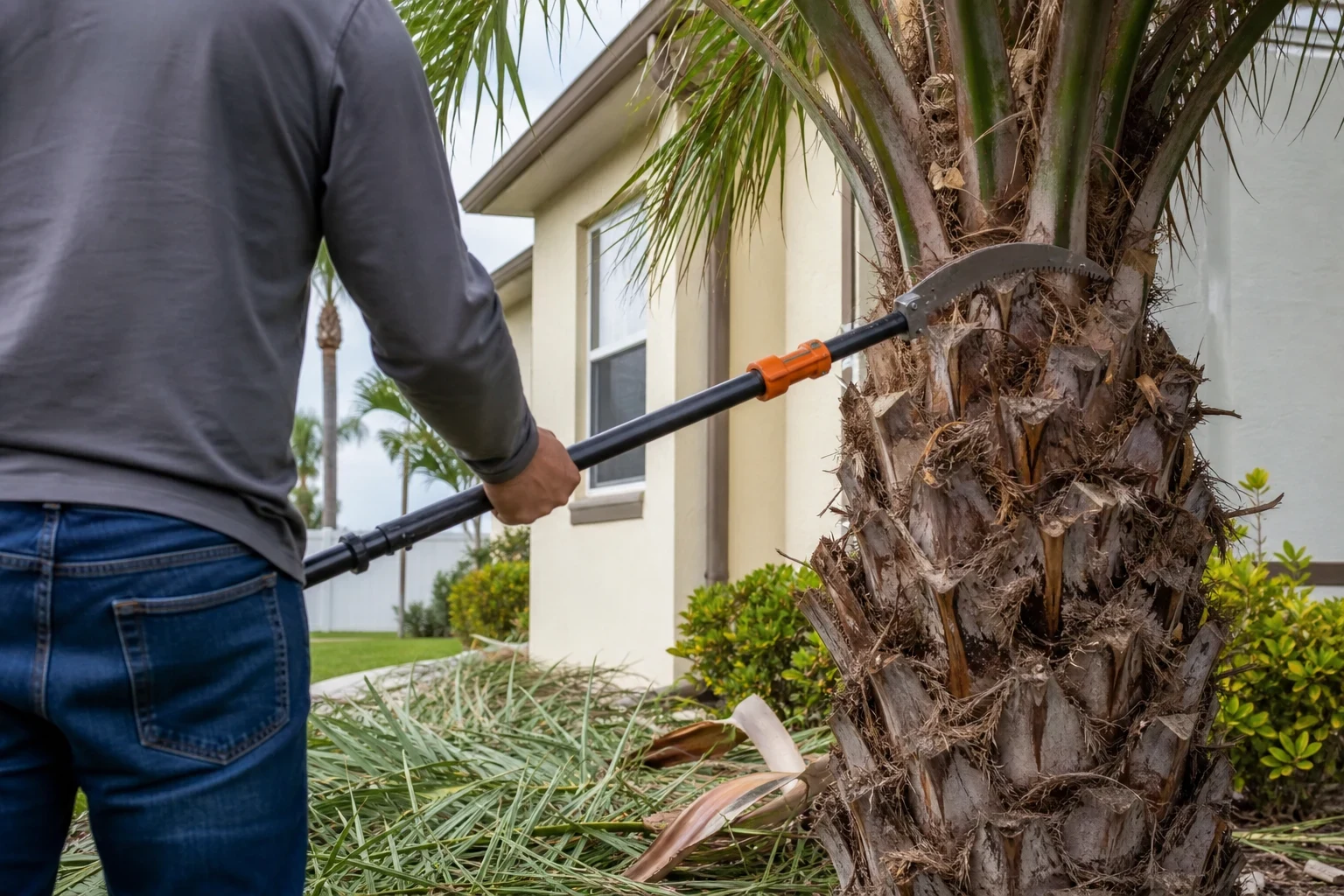
We cut dead and hanging fronds, seed stalks and loose boots without stripping the green leaves your palm needs to feed itself. When a palm is diseased or leaning toward your home, we take it down in controlled sections with a planned drop zone.
Pruning that keeps the palm alive, removal that keeps your home safe
A palm grows from a single bud at the top of the trunk. Cut into that bud, or strip too many green fronds, and the tree can decline or die. Every live frond is also a nutrient store. Palms pull potassium out of older leaves before shedding them, so cutting green fronds early starves the new growth and shows up later as yellow, frizzled leaves.
That is why we prune to remove only what is dead, dying or hazardous: brown fronds, heavy fruit and flower stalks, and loose leaf bases. Safety drives how we do the work. Before anyone climbs, we look at the trunk, the crown and what sits underneath it, from pool screen enclosures to roof edges and overhead lines.
When pruning will not fix the problem, we say so and explain why. A palm with butt rot at the base or a trunk that has started to bend at a weak point is a removal, and we plan it so each piece comes down where we intend.
What the work includes
- 01
Dead and hanging frond removal
We cut brown and broken fronds close to the trunk without tearing the leaf base. We stop at the 9-to-3 o'clock line, so the green canopy stays above horizontal.
- 02
Fruit and flower stalk cutting
Queen palm fruit clusters, sabal seed stalks and coconuts get heavy and messy. Removing them cuts down on falling debris, stained pavers and volunteer seedlings in your beds.
- 03
Boot cleanup on sabal palms
We remove loose old leaf bases that peel away by hand pressure. Boots still firmly attached stay put, since pulling them can wound the trunk.
- 04
Sanitized saws between palms
Fusarium wilt spreads on contaminated blades from one Canary Island date or queen palm to the next. We clean cutting tools between trees so the job does not carry disease across your yard.
- 05
Sectional palm removal
Tall or tight-quarters palms come down crown first, then trunk in rigged sections lowered on rope. Open sites may allow a single felling cut, but only with a clear and measured fall zone.
- 06
Debris haul-off
Fronds, trunk rounds and stalks are hauled away and the area is raked and blown clean. If you also want the stump gone, our stump grinding service can follow.
Questions about Palm Tree Pruning and Removal?
Call(407) 305-7395Signs your palm needs attention
Brown fronds hanging along the trunk
Dead fronds that have not dropped on their own can let go in a strong summer storm. Over a driveway, walkway or pool cage, they are worth removing on a schedule.
Shelf-like growths near the base
Hard, shelf-shaped conks on the lower trunk point to Ganoderma butt rot. There is no cure, and the rot weakens the trunk from the inside, so plan removal before it fails.
A shrinking or narrowing trunk
A pinched section, often called pencil-pointing, marks a period of stress or nutrient shortage. That narrow spot is a weak point under wind load.
Spear leaf that pulls out or new fronds that collapse
When the newest center leaf wilts or slides out with a light tug, the bud may be rotting. We will tell you honestly whether the palm can recover.
Fronds touching the roof or screen
Rubbing fronds wear shingles and tear screen panels, and they let rats and squirrels reach your roofline.
How a palm job runs
- 1
On-site look at each palm
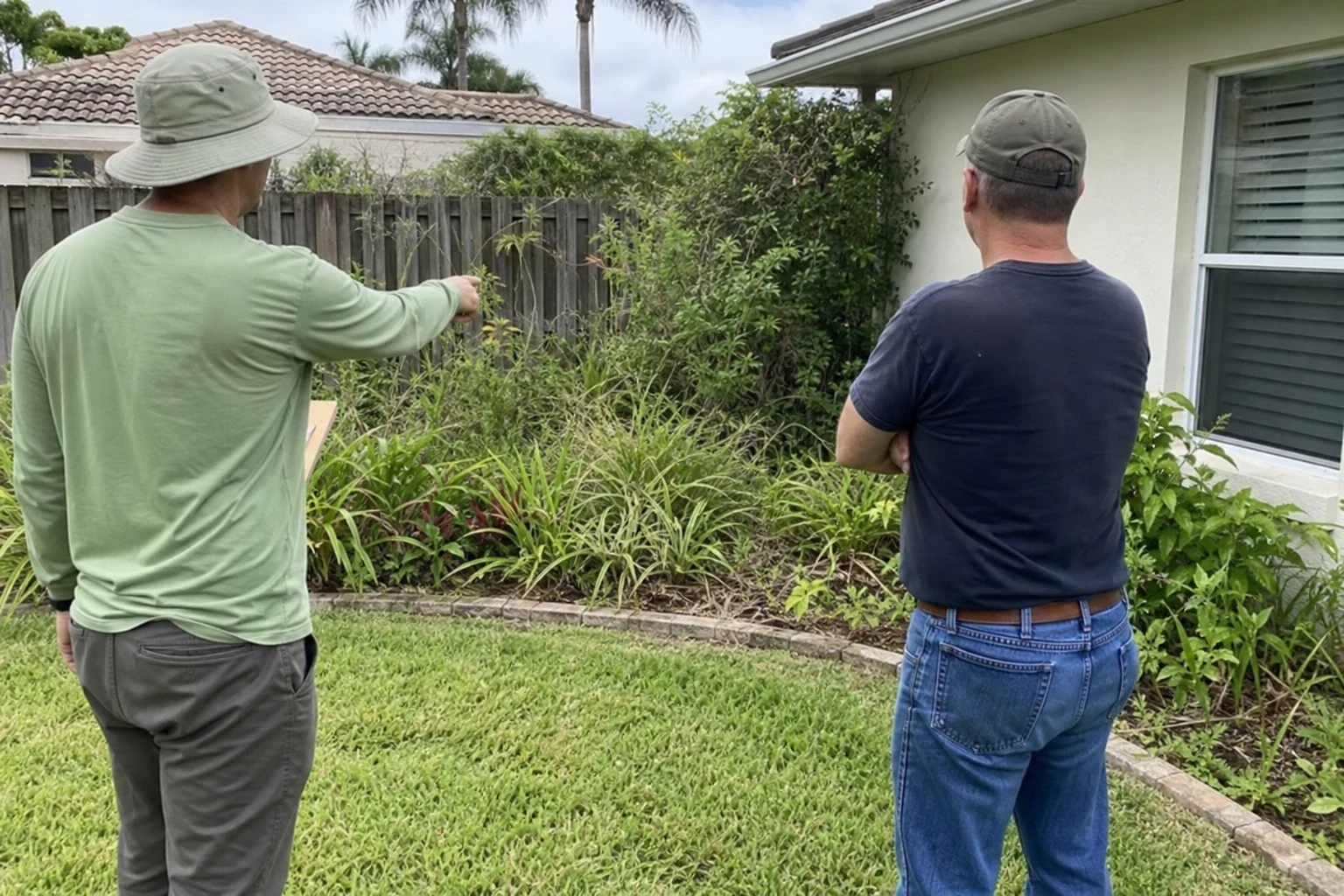
We check species, height, trunk condition and the spot where debris will land. You get a clear answer: prune, monitor or remove.
- 2
Set up the work zone
We mark off the drop area and move patio furniture, vehicles and pots out of the way. We ask that kids and pets stay inside until we finish.
- 3
Climb or lift without spikes
Palms cannot seal over wounds the way hardwoods can, so climbing spikes leave permanent holes in a living trunk. On palms we keep, we use a lift, a ladder or a climbing setup that does not puncture the bark.
- 4
Cut, lower and clean
Fronds and stalks are dropped or lowered by rope depending on what sits below. When the work is done, we haul everything away and blow off your walks and drive.
What affects the price
Palm work is priced per tree, adjusted for how hard it is to reach the crown safely and what has to be protected underneath. We give you the number before any work starts. If a bigger removal job is more than you want to pay at once, you can spread it out with financing of up to $100,000, choosing a term between 2 and 12 years, and paying it off early never costs you a penalty.
- Height and species
- A 12-foot pygmy date palm is quick work. A 50-foot Washingtonia takes a lift or a skilled climber, and Canary Island date palms have long spines that slow every cut.
- Access and what is below
- Palms over a pool enclosure, roof or fence need rigging and rope lowering instead of free drops, which adds time and crew.
- Pruning versus removal
- Removal includes sectioning and hauling the trunk, which is heavy and bulky. A stump left in place or ground out changes the total too.
- Number of palms and condition
- Several palms in one visit share setup time. Diseased palms need extra tool sanitation and careful debris handling.
Palm pruning and removal questions
How often should my palms be pruned?
Most yard palms do well with one trim a year, timed after fruiting stalks form. Fast fruiting species like queen palms may need two. We would rather leave a few brown fronds than cut green ones too early.
Should I get a hurricane cut before storm season?
We advise against it. Stripping a palm down to a few upright fronds removes its food supply and does not make the trunk any stronger. Removing dead fronds and heavy seed stalks before June gives you the safety benefit without weakening the tree.
Do you use climbing spikes?
Not on palms we are keeping. Every spike hole stays open for the life of the palm and can let in decay and insects. Spikes are only an option on a palm that is being taken down anyway.
Can my sick palm be saved?
It depends on the cause. A potassium or magnesium shortage can often be corrected with the right fertilizer over time. Ganoderma butt rot and lethal bronzing cannot be cured, and in those cases removal protects your home and nearby palms.
What happens to the stump after removal?
A palm stump is fibrous and breaks down slowly, but it will not resprout. You can leave it, or we can grind it below grade so you can replant or lay sod over the spot.
Do I need a permit to remove a palm?
Rules depend on your city and sometimes on the palm's size and location. We will let you know what applies to your property before we schedule a removal.
Get your palms looked at before the next storm
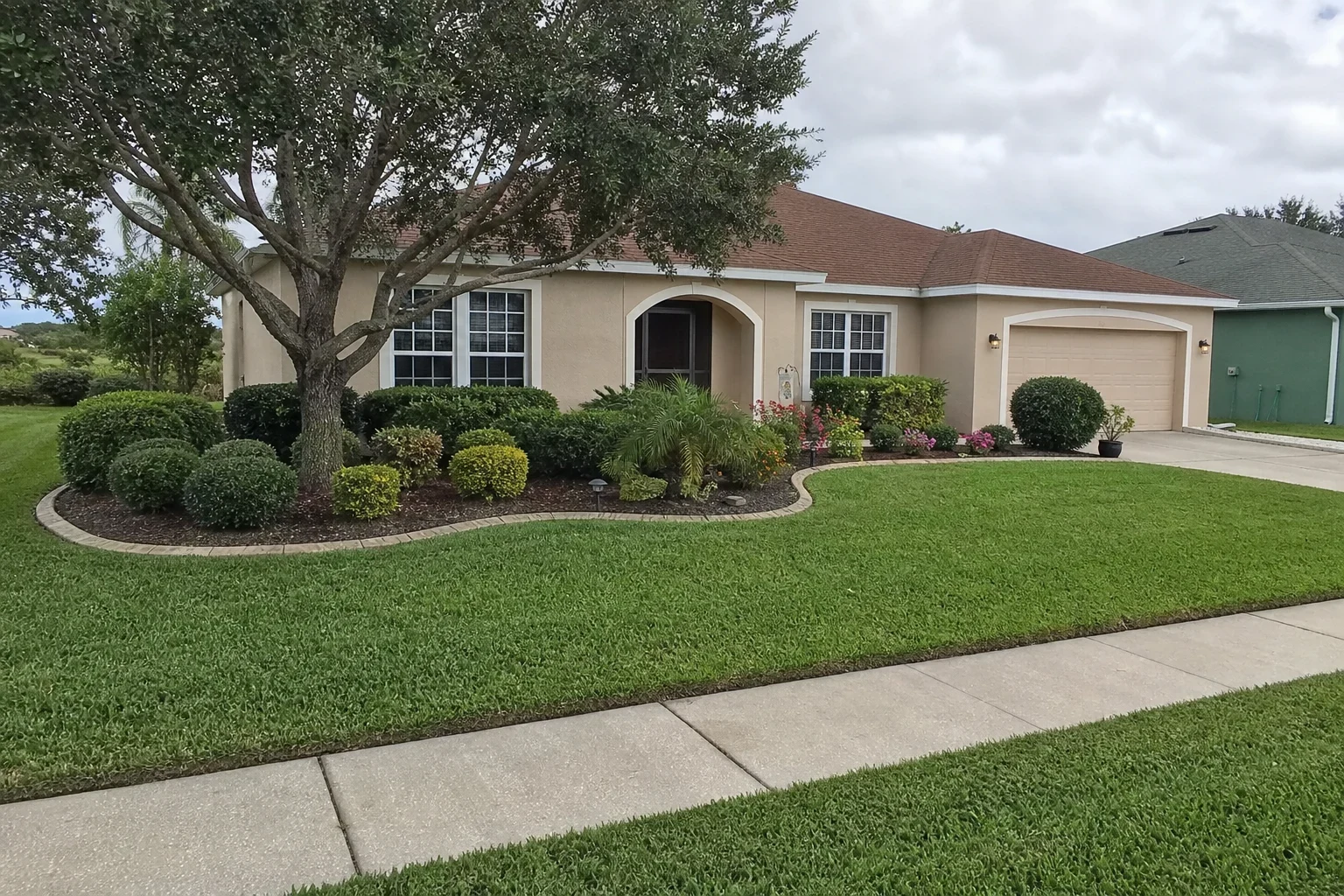
We will walk your yard, check each palm and tell you which ones need a trim, which can wait and which should come down. The estimate costs you nothing.