ServicesTree Trimming and Removal
Tree Trimming and Removal in Maitland
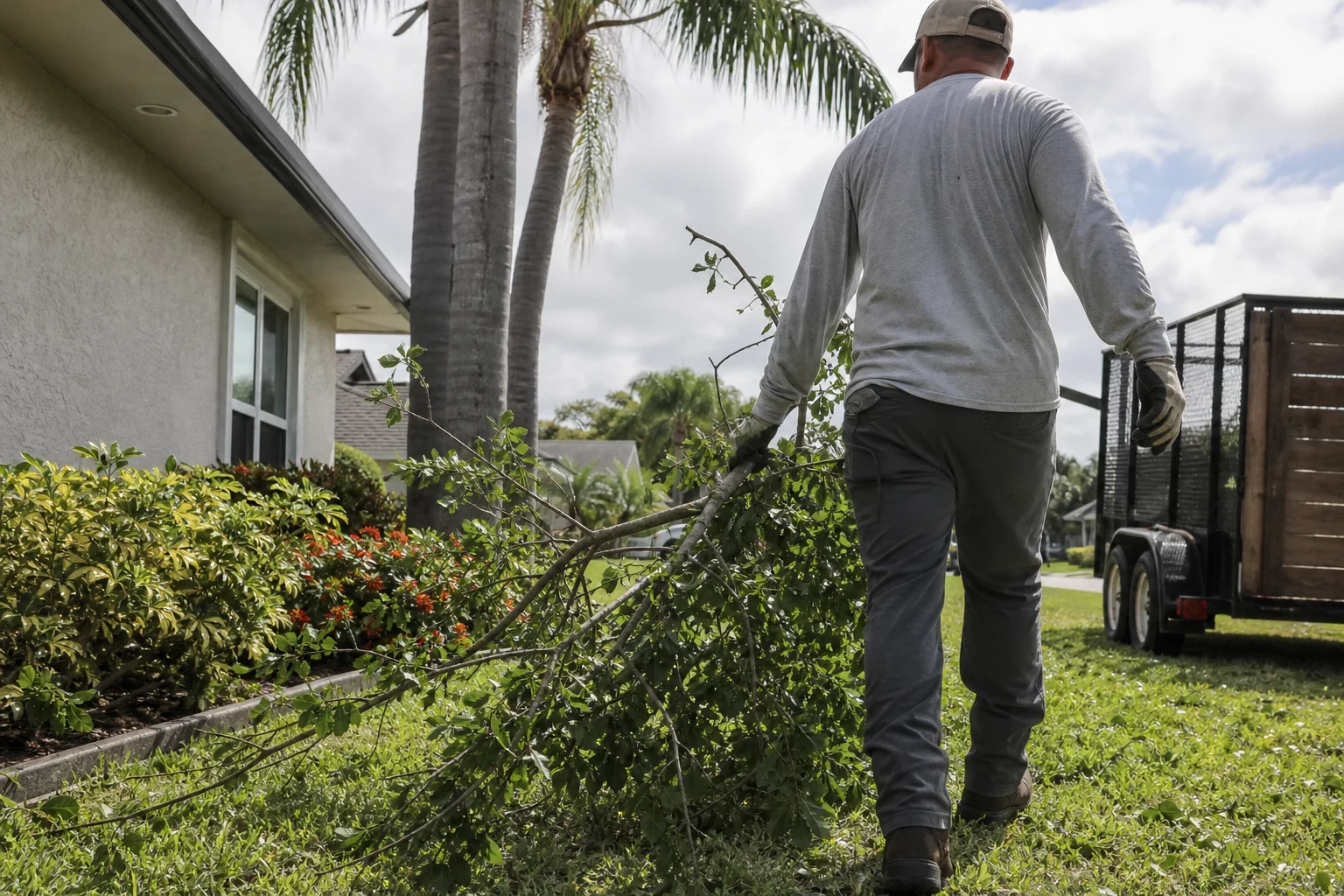
We prune oaks and shade trees so they stay strong, and we take down trees that have become a hazard. Every job starts with a plan for where each limb will land, how it gets lowered and how people and pets stay clear.
When to Trim and When a Tree Has to Come Down
Most trees need trimming, not removal. Good pruning takes out dead, crossing and rubbing limbs, lifts branches off your roof and opens the canopy so wind passes through instead of pushing against it. We cut just outside the branch collar, the swollen ring where a limb meets the trunk, because that is where the tree seals the wound. Flush cuts and topping leave large open wounds that invite decay and push out weak, fast sprouts.
Removal is the right call when the structure has failed or is close to it: a trunk hollowed by heart rot, a root plate lifting out of the sandy soil, a split between two codominant stems, or a tree leaning harder toward your home than it did last year. Laurel and water oaks, common across Central Florida, tend to decline from the inside as they age, so a tree can look full and still be unsafe. We tell you plainly which side of that line your tree is on.
What Our Tree Work Includes
- 01
Structural and clearance pruning
We remove deadwood, crossing limbs and weak attachments, and raise branches off the roof, driveway and walkways. We avoid lion-tailing, which strips interior growth and leaves heavy limb ends that snap in wind.
- 02
Crown thinning for storm season
Selective thinning reduces sail area in the canopy without taking more live foliage than the tree can spare. We aim to finish this work before the summer thunderstorm and hurricane months.
- 03
Sectional removal with rigging
Where a tree cannot be felled in one piece, we take it down in sections and lower heavy wood on ropes through a friction device, so nothing free-falls onto your roof, pool cage or fence.
- 04
A marked drop zone
Before the first cut we cone or tape off the work area and walk you through where it is. Kids, pets and cars stay outside it until we say the area is clear.
- 05
Cleanup and hauling
Brush is chipped, logs are cut and hauled, and we rake and blow the lawn and beds. If you want the stump gone too, our stump grinding service handles it on the same visit or a later one.
Questions about Tree Trimming and Removal?
Call(407) 305-7395Signs Your Tree Needs Attention
Dead or hanging limbs
Bare branches in a green canopy, or limbs snapped and caught in the crown, can drop without warning. These are the first thing we remove.
Fungus at the base or on the trunk
Shelf-like conks, soft spots or oozing cankers usually mean decay inside the wood. The visible fungus is often the smallest part of the problem.
Cracks, splits or a new lean
A crack running down from a fork, or a lean with soil heaving on the opposite side, points to a failing union or roots letting go.
Branches on the roof or near service lines
Limbs rubbing shingles wear them through and give pests a path in. If branches touch the power line to your home, the utility must clear that part first, and we work only after it is de-energized or cleared.
Heavy moss and thin foliage together
Spanish moss on its own does little harm, but a sparse crown loaded with moss adds weight to a tree that is already struggling.
How a Tree Job Runs
- 1
Walkthrough and estimate
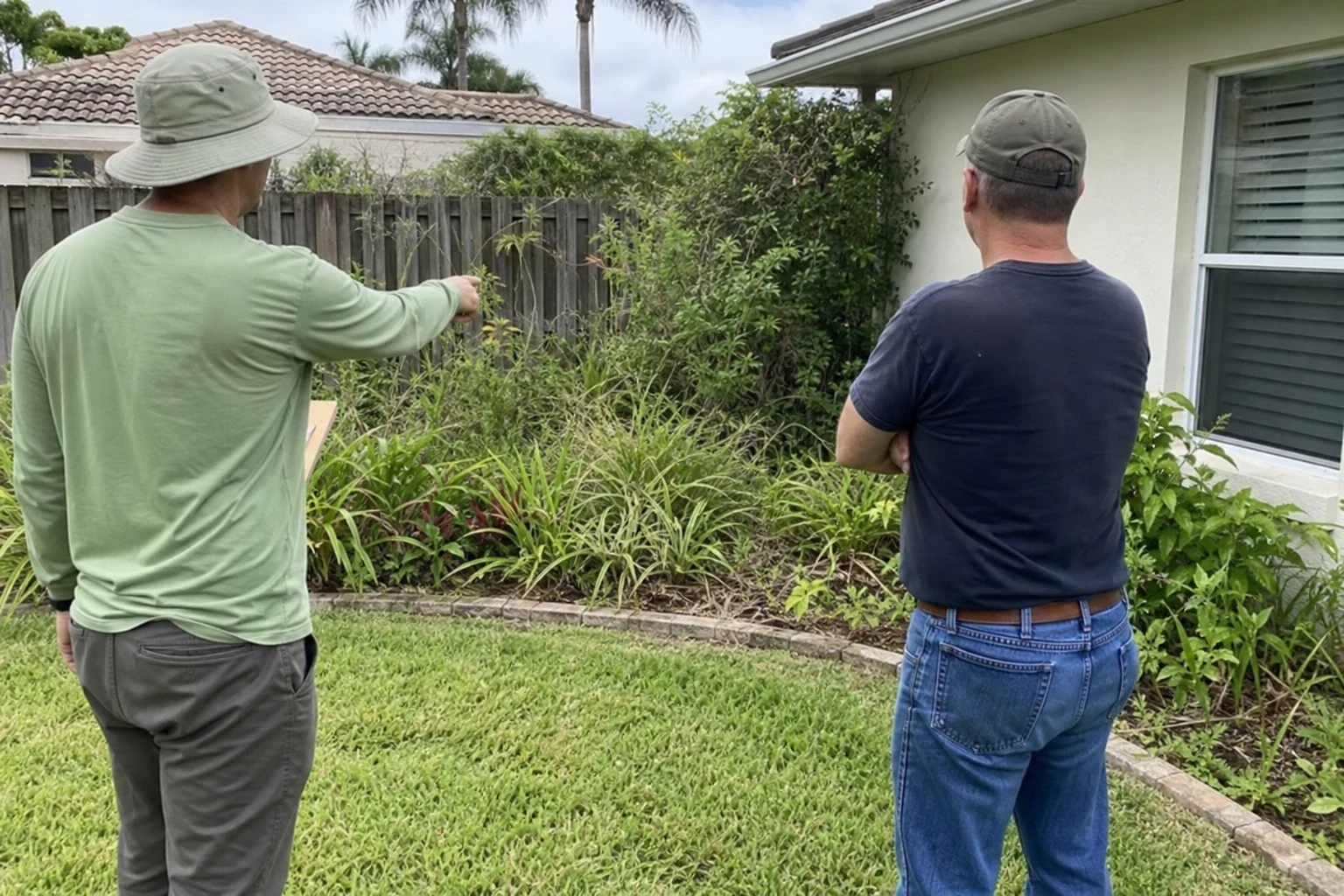
We look at the trunk, the root flare and the canopy, note what sits underneath, and explain whether we recommend pruning or removal. If your city requires a permit for the tree, we tell you before any work is scheduled.
- 2
Site setup
On the day, we mark the drop zone, move what can be moved, lay plywood where equipment crosses soft lawn and check that the area under the tree is clear.
- 3
Cutting and lowering
The climber works top down while a ground worker controls the lowering line. Cuts are planned so each piece swings away from structures before it is released.
- 4
Chipping, hauling and final check
We chip brush as we go, load the wood and clean the site. Before leaving, we walk the yard with you so you can see the finished cuts and confirm nothing was missed.
What Moves the Price of Tree Work
Tree work is priced by the tree and the setting, not by a flat rate. Your estimate lists each tree and the work on it, so you can see what each part costs and decide what to do now and what can wait.
- Size and species
- Height, trunk diameter and spread set how many cuts and how much wood there is. Dense hardwoods like live oak take longer to cut and weigh more to haul.
- What sits underneath
- A tree over a roof, pool cage or fence has to be rigged and lowered piece by piece. Open lawn lets us drop larger sections, which is faster.
- Condition of the wood
- Decayed or split trees are less predictable, so we use more rigging and smaller cuts to keep the work safe.
- Access and cleanup
- Narrow side yards and backyard trees mean hand-carrying brush to the chipper. Stump grinding and full log removal are separate line items you can include or skip.
Tree Trimming and Removal Questions
How much can you safely trim off at one time?
For a healthy mature tree we generally take no more than about a quarter of the live canopy in a season. Taking more stresses the tree and triggers weak sprout growth. If a tree needs more correction than that, we spread the work over a couple of visits.
Do I need a permit to remove a tree?
It depends on your city and the tree. Some local rules protect certain species or sizes, and Florida law also has provisions for trees that pose a documented danger. We check the requirement during the walkthrough and tell you what applies before we schedule anything.
Is it better to trim before hurricane season?
Yes. Thinning and deadwood removal in late winter or spring means the tree goes into the June to November season lighter and better balanced. Waiting until a storm is forecast usually means a long wait for any crew.
Will the work damage my lawn or irrigation?
We lay plywood or mats where equipment travels and lower wood instead of dropping it near beds. Before starting, we ask where sprinkler heads and lines run so we can avoid them, and our irrigation service can repair a head if one is hit.
Do I need to be home during the job?
Not necessarily, but we ask that someone walk the drop zone with us at the start and keep pets indoors. We also need gates unlocked and vehicles moved out from under the tree.
What if several big trees need to come down and the total is more than I planned for?
Ask us about financing when we walk the property. Projects up to $100,000 can be spread over terms from 2 to 12 years, and paying the balance off early carries no penalty. That lets you deal with every hazardous tree in one visit instead of leaving the risky ones standing until next year.
Have Us Look at the Tree That Worries You
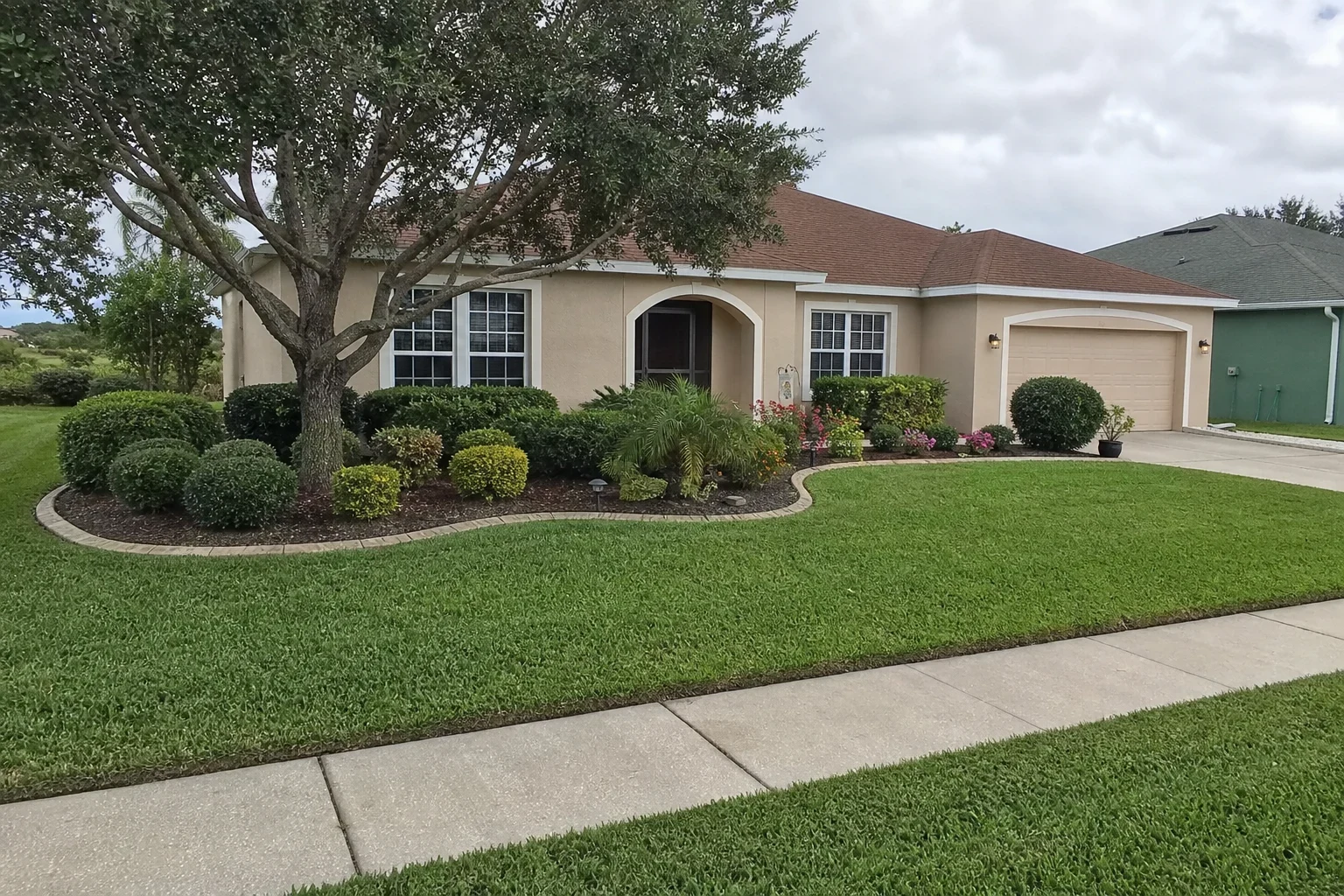
We will walk the property, check the trunk, roots and canopy, and explain whether it needs pruning or removal and why. You get a written estimate with each tree listed separately.